 Curio Class
Mangalyaan: A Journey to Mars
Nikhil Gulati
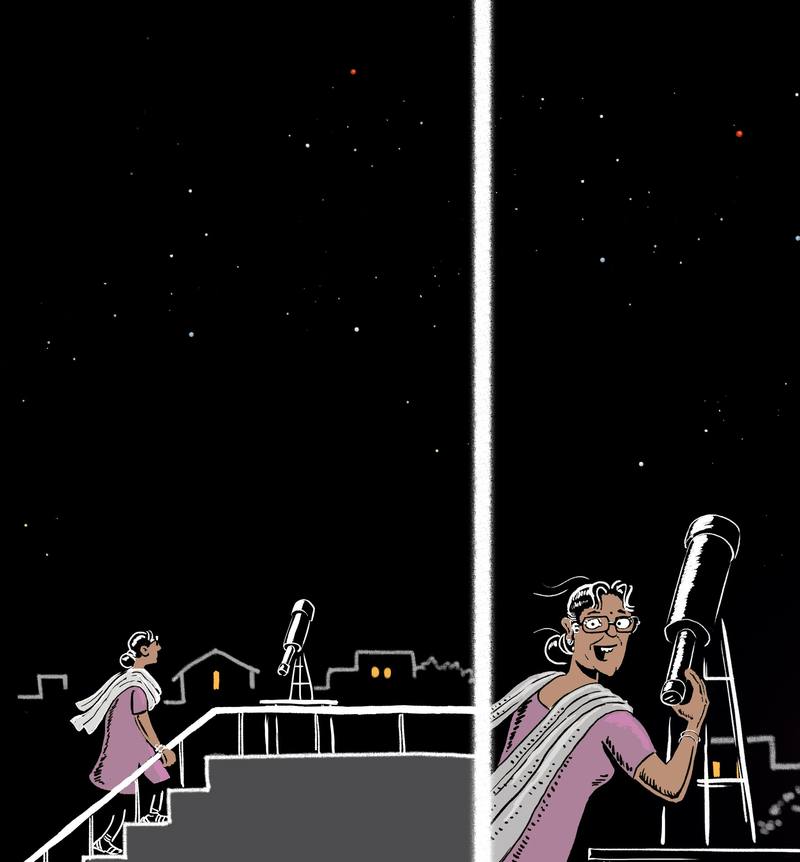
If you look up at the sky on some clear nights, you will see what looks like a shining red star. That’s the planet Mars.
Ever since humans invented telescopes, they’ve looked at Mars and wondered: what is it like on Mars? Is there life up there?
We can look at Mars from down here and try to guess. But what if we could actually travel there?
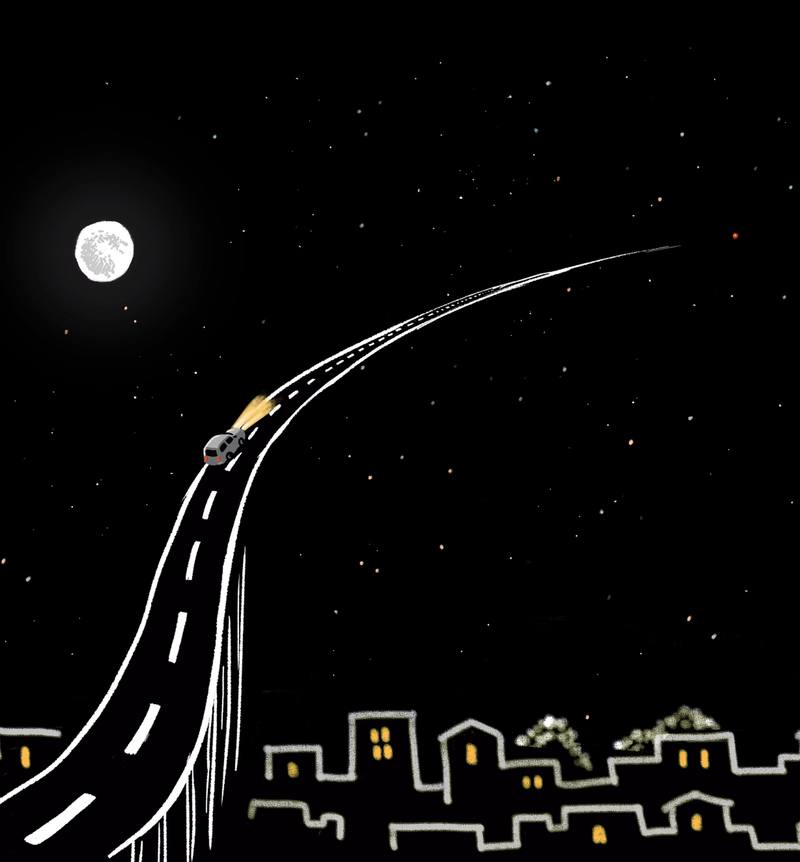
Mars is one of the nearest planets to Earth in the
solar system.
And yet it is so far away
that if you were to drive to it, it would take 1,200 years to get there.
In an aeroplane, even at
top speed, it would take
30 years.

Take a look at this.
If the Earth were this big…

the Moon would be around here.

And Mars would be somewhere over there, half a kilometre away.
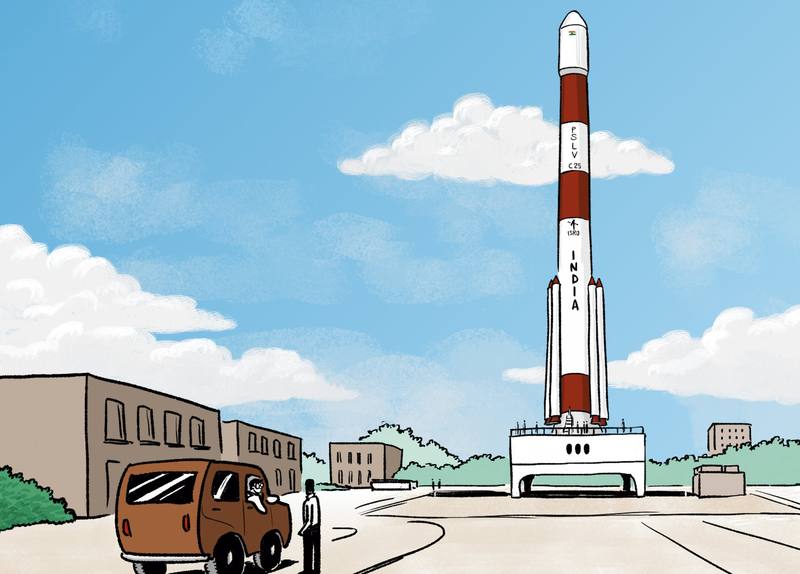
Cars and aeroplanes cannot take us there.
To go to Mars, we need spaceships.
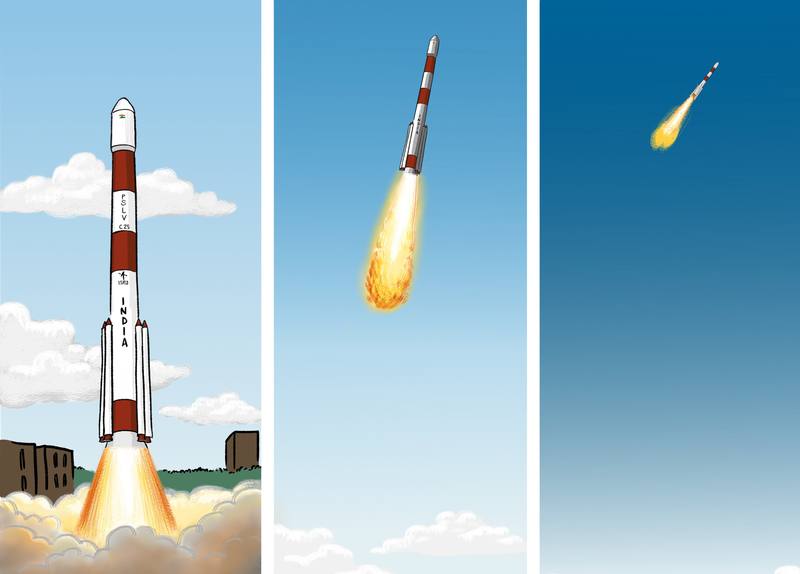
On November 5, 2013,
the Indian Space Research Organisation (ISRO) launched a spaceship
that would travel to Mars.
It was called Mangalyaan.
Mangalyaan carried no humans on it. Instead,
it carried four instruments, including one powerful camera with which to look at Mars from up close.
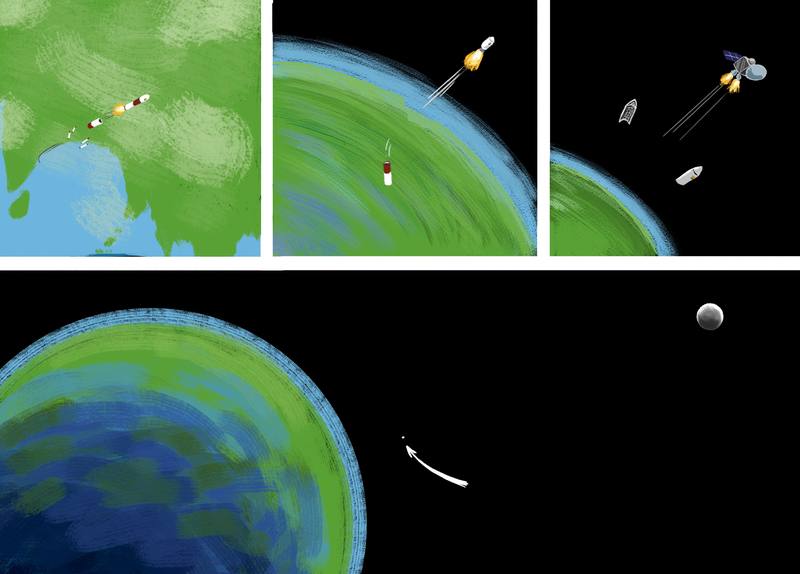
Mangalyaan
The first challenge facing Mangalyaan was the huge distance to be travelled.
Flying straight to Mars would require a lot of fuel.
And fuel is expensive.
So the scientists of ISRO tried a more creative solution. They decided to “throw” Mangalyaan towards Mars, as if from a sling.
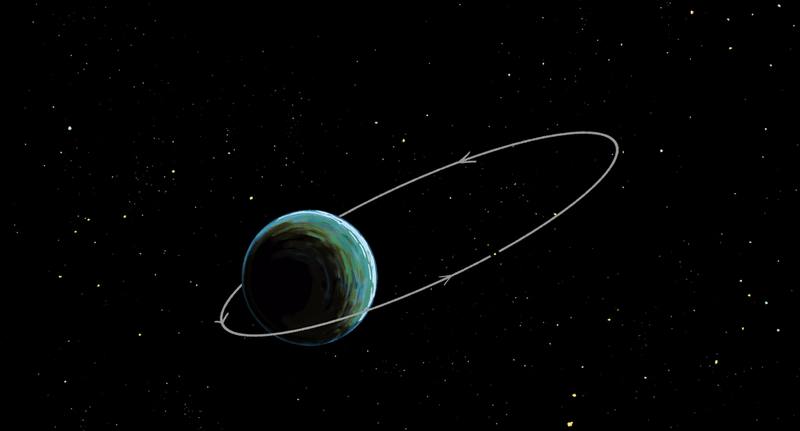
Only in this case, Earth’s gravity played the role of the sling.
Mangalyaan first started to “orbit” Earth.
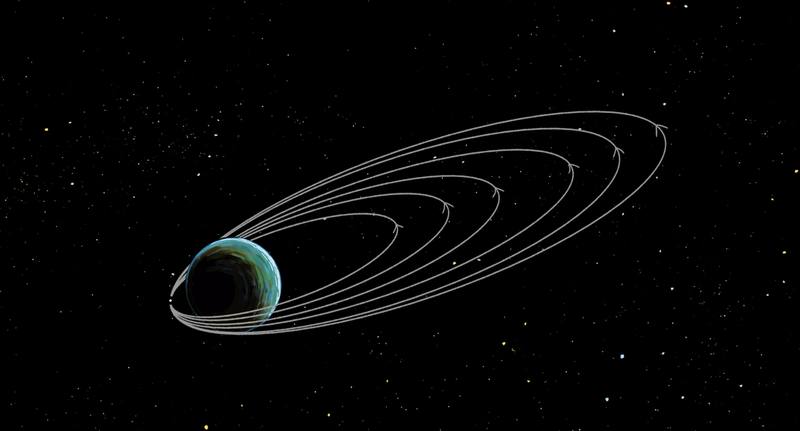
Then, it was put into bigger and bigger orbits by firing the engines six times.
Each time, it picked up more speed.
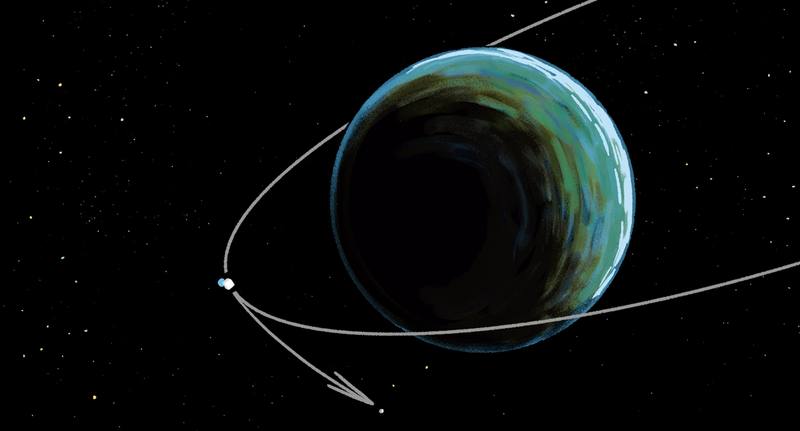
When Mangalyaan was at its fastest, it was given one final push.
With that, it escaped Earth’s gravity.
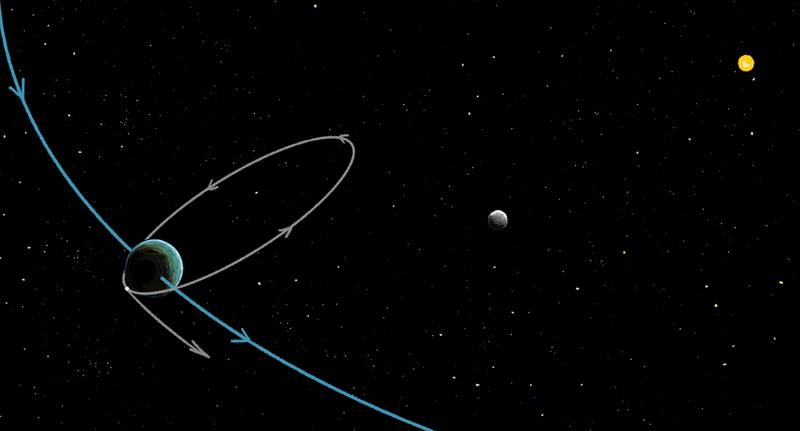
Since Earth also moves in orbit around the Sun, its speed was added to Mangalyaan’s.
Earth, in other words, acted like the hand throwing the slingshot.
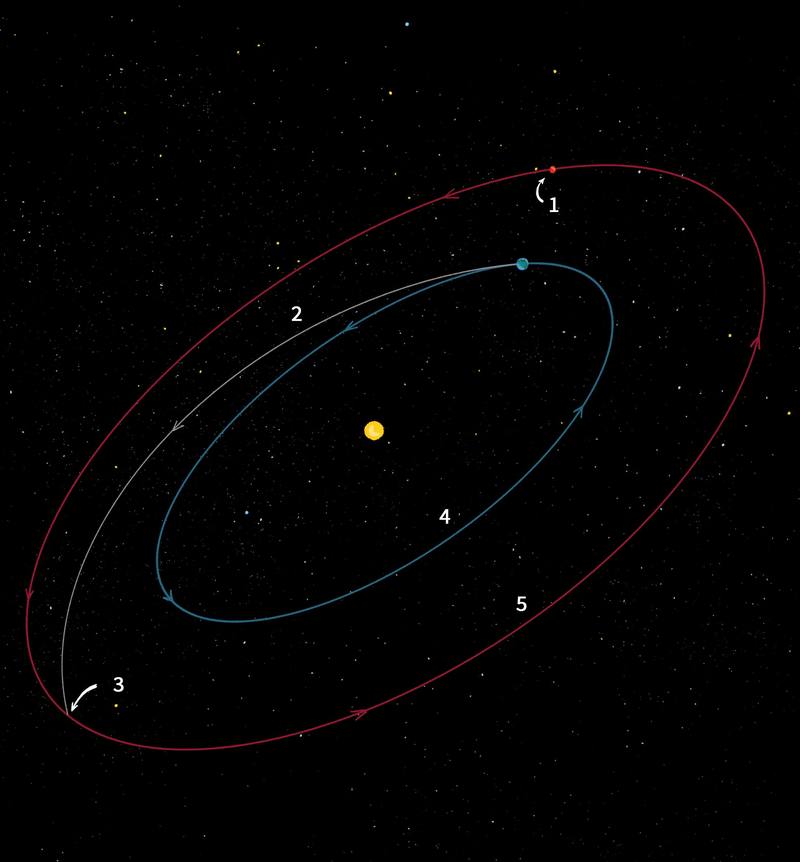
But Mangalyaan didn’t fly straight to Mars. This is because Mars itself moves in orbit around the Sun.
The scientists had to aim far ahead, so that Mangalyaan and Mars would both reach the same point in space at exactly the same time.
1. Mars was over here when Mangalyaan was launched
2. Mangalyaan’s path to Mars
3. Mangalyaan “caught” Mars
over here 10 months later
4. Earth moves in orbit around
the Sun
5. Mars moves in orbit around
the Sun
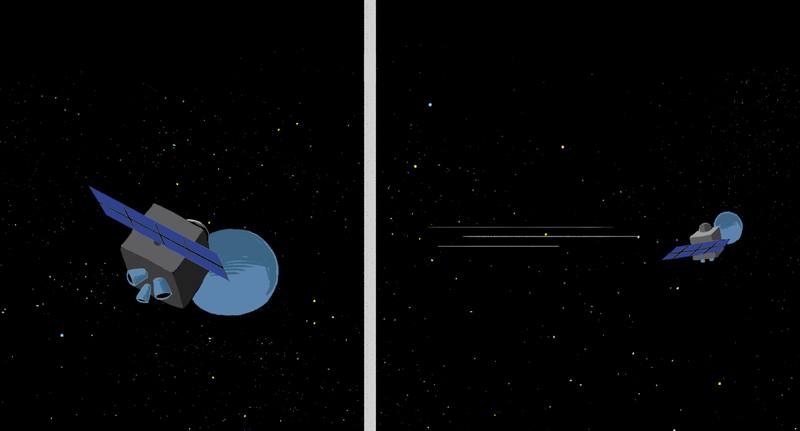
It’s a long, long way to Mars.
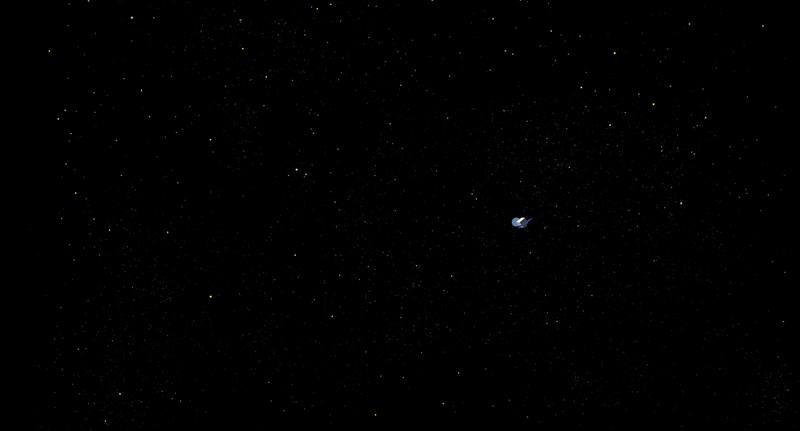
Mangalyaan travelled for 300 days and covered 62,00,00,000 km.
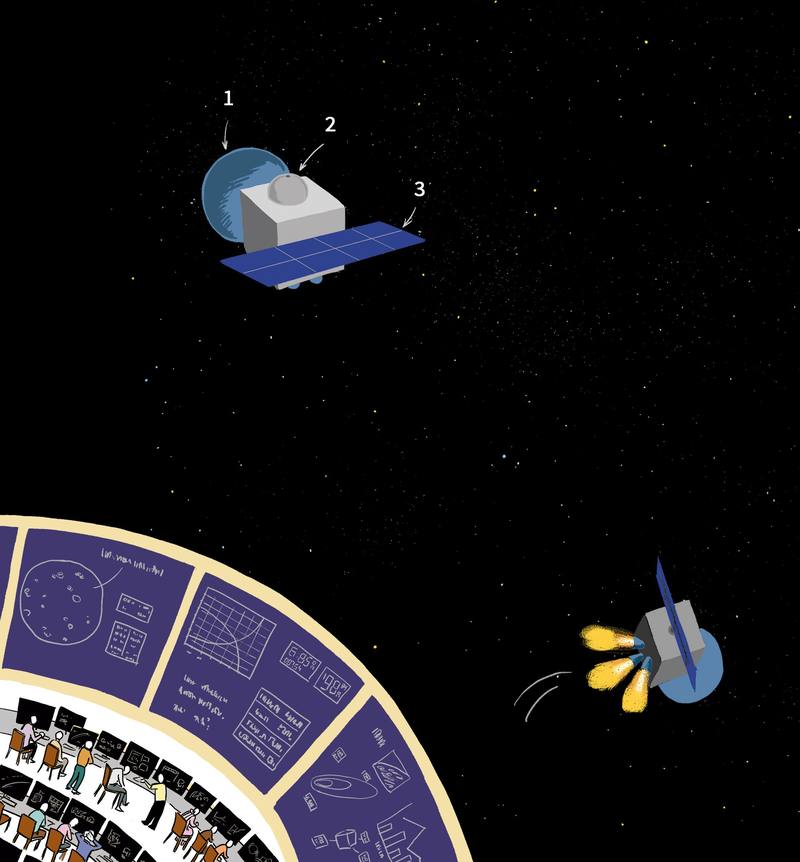
Over such a long journey, it was very important that the spaceship stay on the right track. Otherwise, it could easily miss Mars.
Mangalyaan could tell where it was by the position of the stars around it. It sent this information back to Mission Control on Earth.
Here, mathematicians checked to see whether the spaceship was still on the right path. When needed, they sent signals to the spaceship telling it to fire its engines and correct its path.
1. Dish to talk to Earth
2. Fuel tank
3. Solar panel to power the ship's electronics
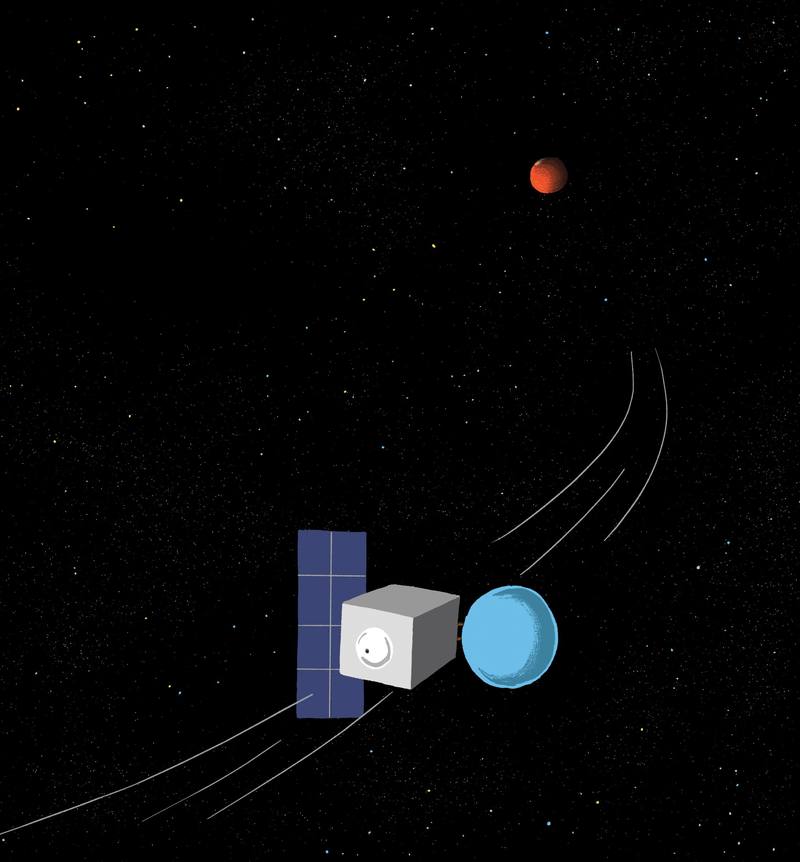
After many months in space, Mangalyaan was almost there.
With just a few days to go, Mars’ gravity started pulling the spaceship in.
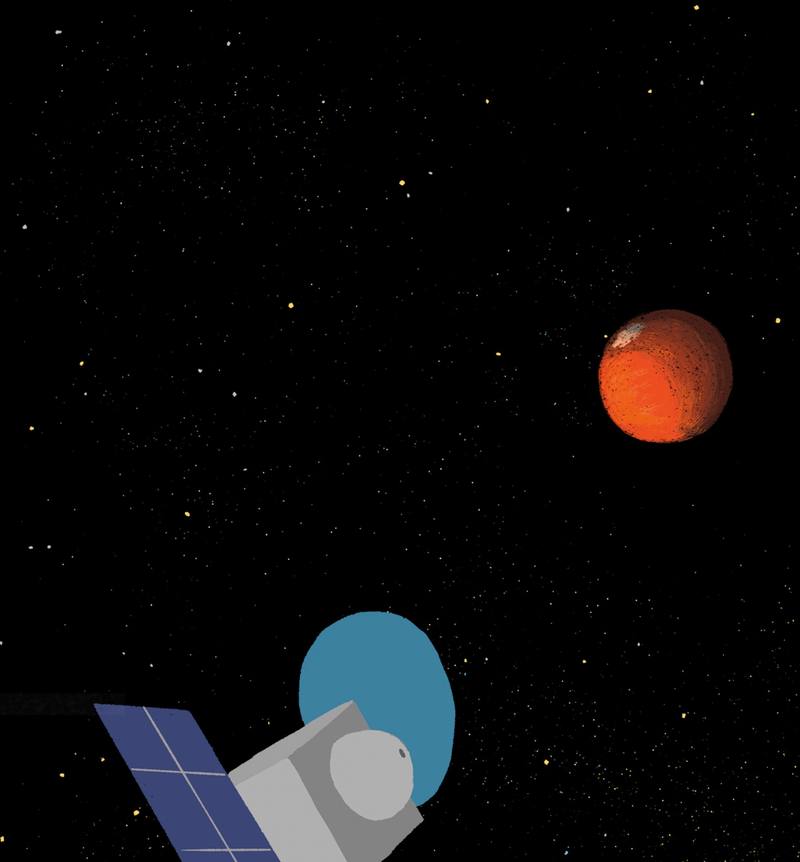
As the spaceship neared the red planet, it had to slow down to enter into orbit.
This had to be done very carefully, otherwise it could crash into Mars or fly away forever.
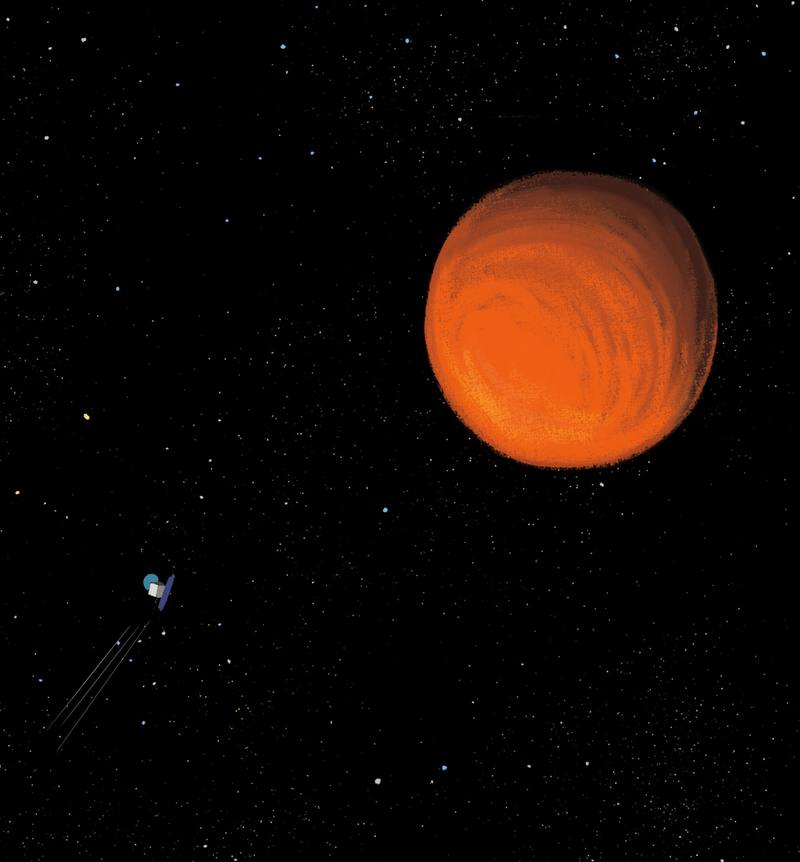
It was a tense moment
for everyone.
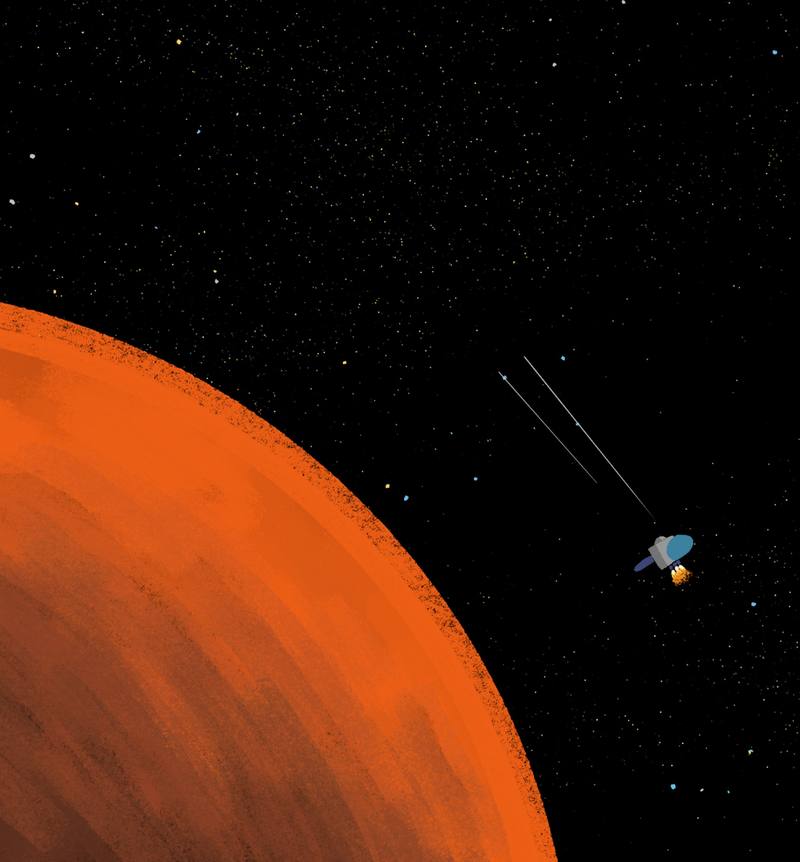
However, on September 24, 2014, perfect entry into Mars’ orbit was achieved.
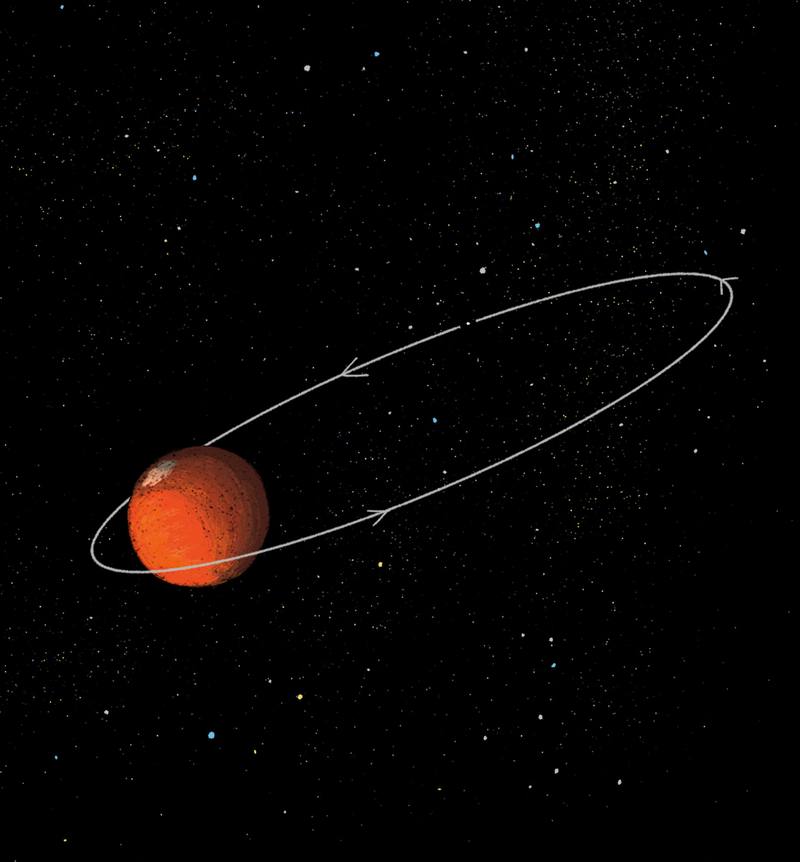
Even today, Mangalyaan continues to orbit Mars and send pictures back to Earth.
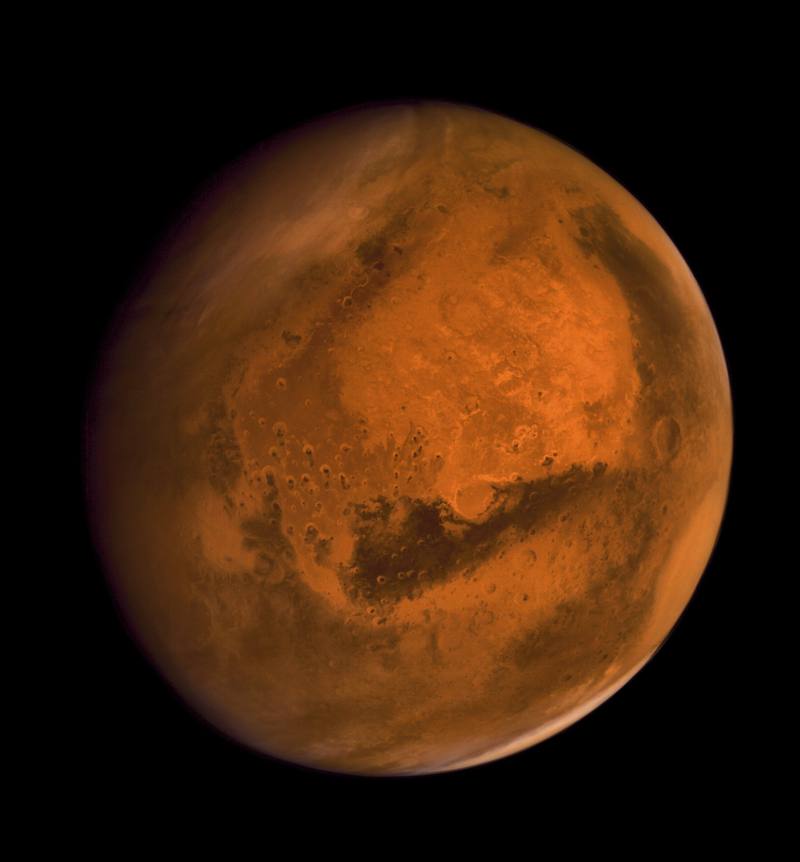
This is an actual photograph taken by Mangalyaan.
We still don’t know for certain whether there is,
or ever was, life on Mars.
But isn’t it amazing that we could reach a destination so far out there?
Now we can dream of sending people up there
too. In fact, ISRO is already building a new spaceship that will take humans into space. It is called Gaganyaan.
Gaganyaan will take three people on board and is set to take off in a few years.
Would you like to be on it?

What Is Gravity?
It is the force that pulls all objects to each other. The Moon and Earth pull each other. So do the Sun and Earth.
However, the heavier an object is, the greater its gravity. This is why small things, like this stone, fall to the ground. The much heavier Earth pulls the stone to itself with its high gravity.
The stone also pulls Earth to itself but the stone’s gravity is so small that Earth moves only a very, very tiny amount that is not noticeable.

What Is an Orbit?
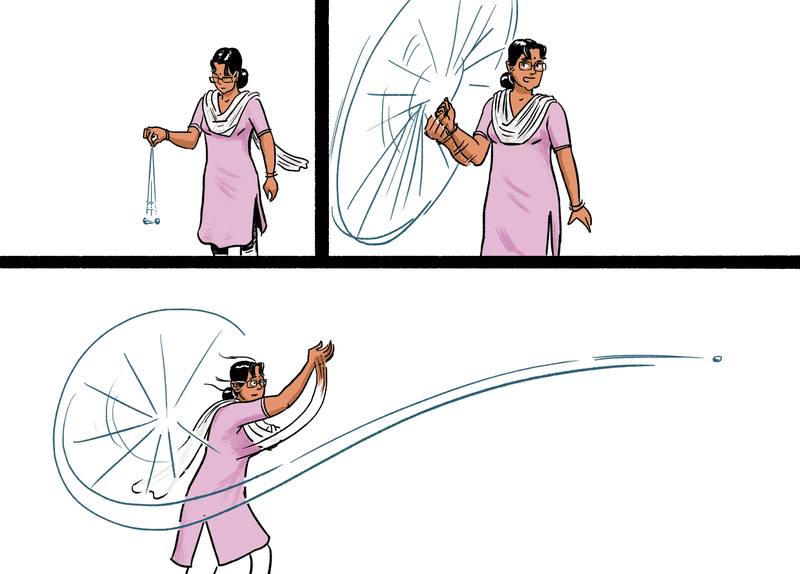
When I throw the stone, Earth’s gravity still pulls it, but the stone travels a bit before falling to the ground.
When I throw it harder,
it travels farther before falling.
But what if I could throw it really, really hard?
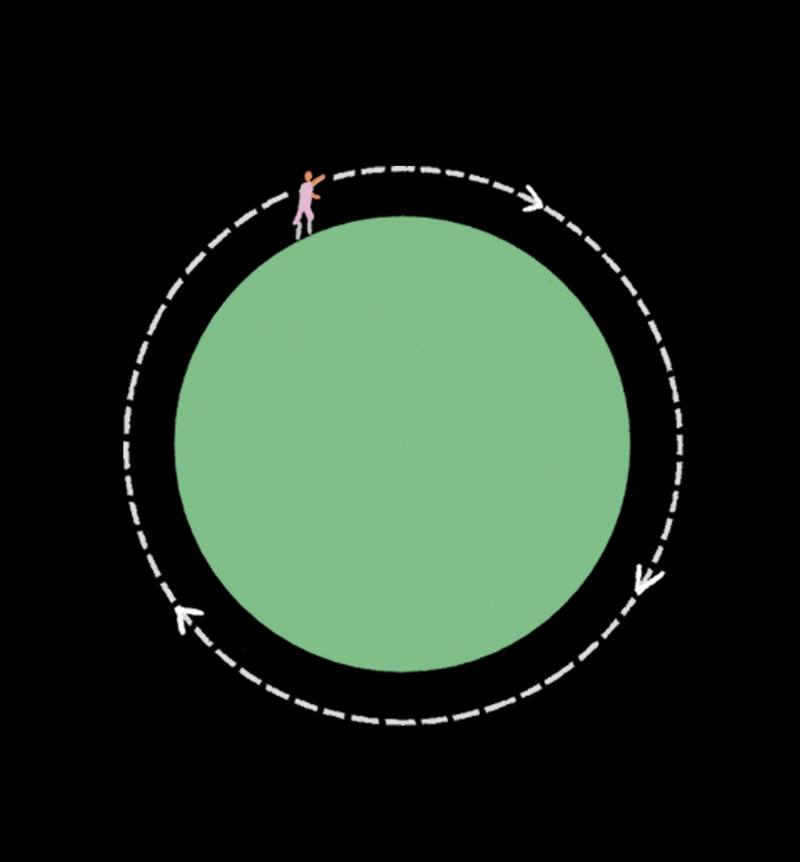
At just the right speed,
the stone will travel all the way around Earth and keep going. It will have entered into orbit.
In this exact manner, Mangalyaan was placed in orbit first around Earth and then around Mars.
In space, lighter objects orbit around heavier objects due to gravity, like the Moon around Earth and Earth around the Sun. Orbits are generally elliptical (oval) in shape.