 Curio Class
The Seed Savers
Bijal Vachharajani
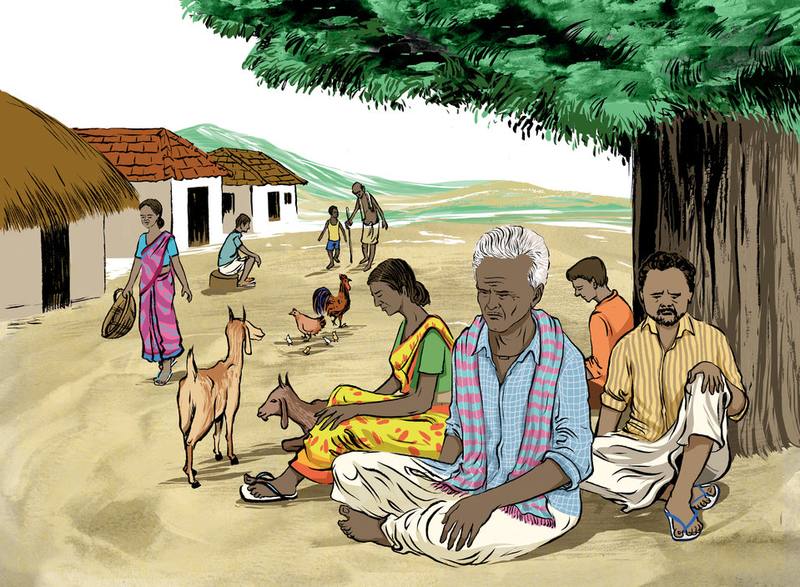
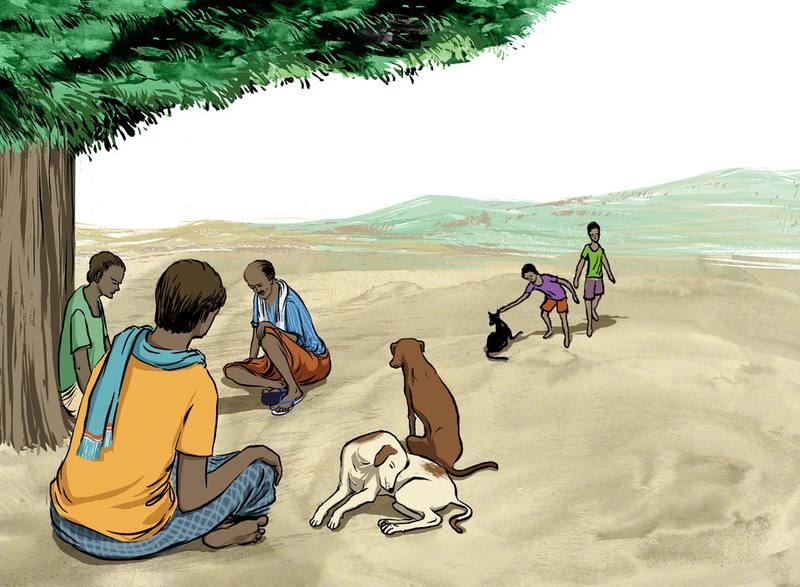
The cotton farmers are worried.
The harvest last year was very poor.
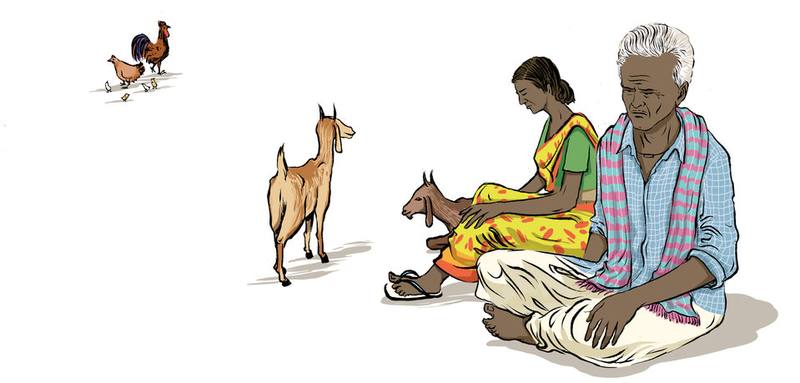
Now it’s summer, time to sow the cotton seeds.
But in th eir village, it’s hard to get enough local and organic seeds.
“ What to do? What to do? ” Bijay wonders. “ We have a BIG problem. ”
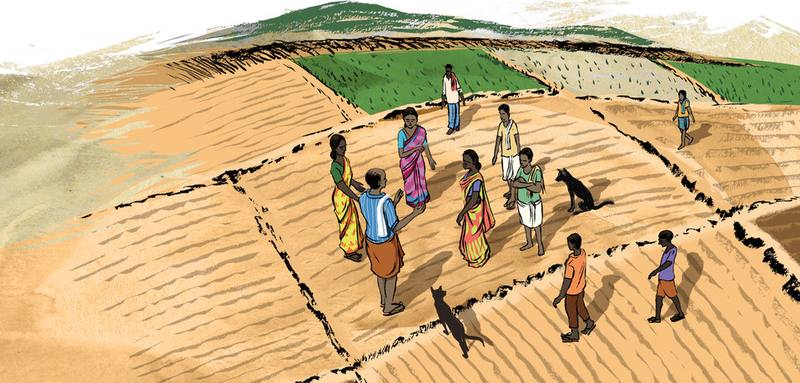
“The seeds in the market cost too much!” says Nabita.
“Those seeds need pesticides and chemicals to grow,” says Ketaki.
“We want seeds that grow happily here, seeds that are best for our home soil and weather,” says Bijay.
“ What to do? What to do? ” says Suresh. “ We have a BIG problem. ”
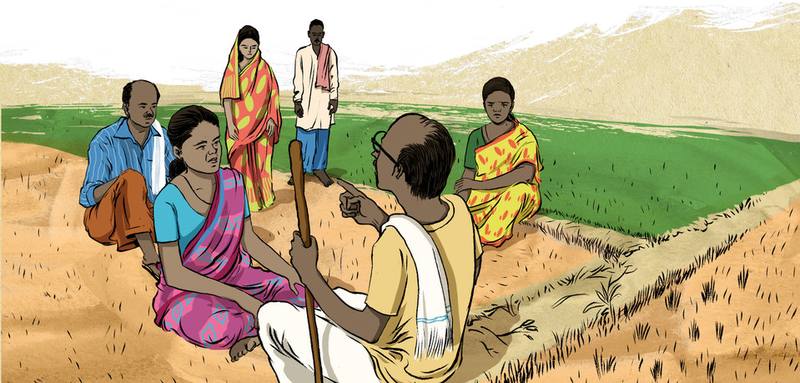
Nabita and Ketaki are part of a group of women farmers.
They hold meetings.
They meet the village head.
They talk to farmers ’
groups.
“ What to do? What to do? ”
everyone wonders.
“ We have a BIG problem! ”
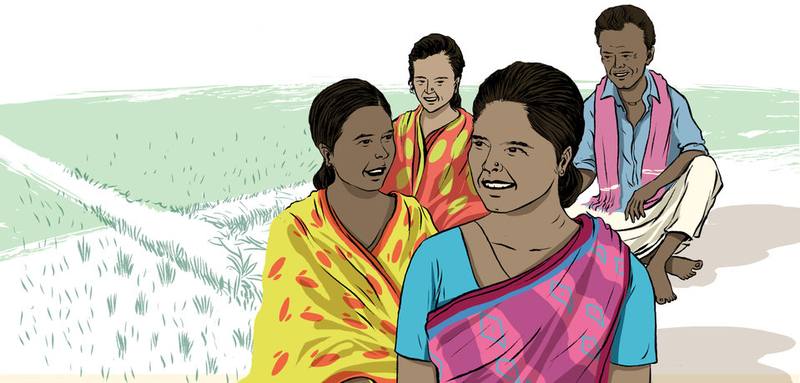
After many days of talking, everyone looks happy.
“We know what to do,” says Nabita. “No problem is too BIG. We will start a bank!”
“How will a bank help us?” asks Bijay.
“Not a bank of money. A bank of seeds,” says Ketaki.
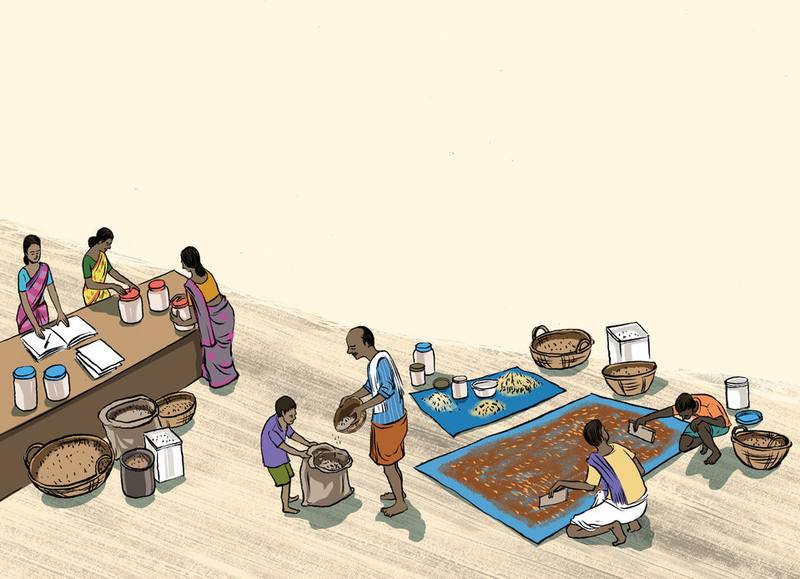
The farmers come together to start a seed bank.
They deposit the few seeds they have at home.
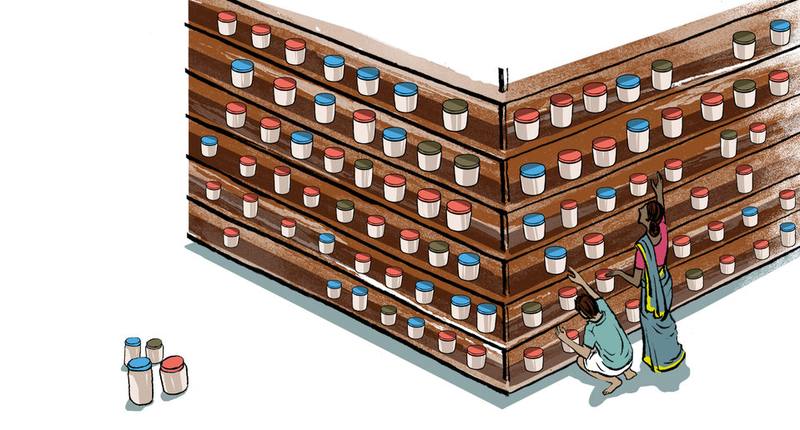
A seed bank works just like a bank!
People go to a bank to save their money.
At the seed bank, farmers save seeds!
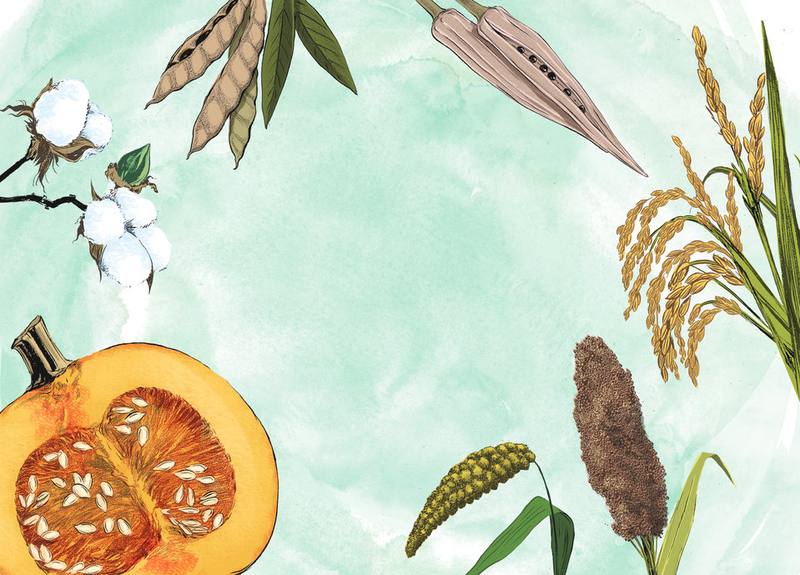
Old seeds
Local seeds
Organic seeds
Cotton seeds
Ladies’ fingers seeds
Pumpkin seeds
Paddy seeds
Millet seeds
Red gram seeds
So many seeds to save.
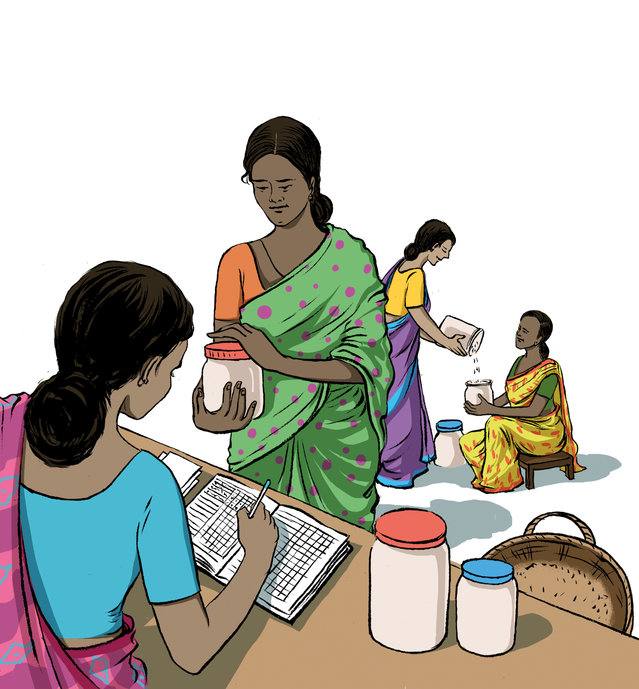
Sumati borrows one kilo of
cotton seeds from the bank.
Nabita carefully notes it down in a register.
Krupa deposits one kilo of
paddy seeds into the bank.
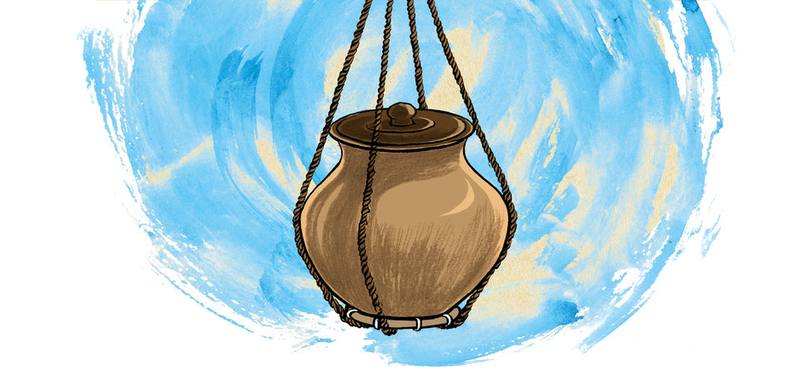
Ketaki carefully stores
the seeds in a pot.
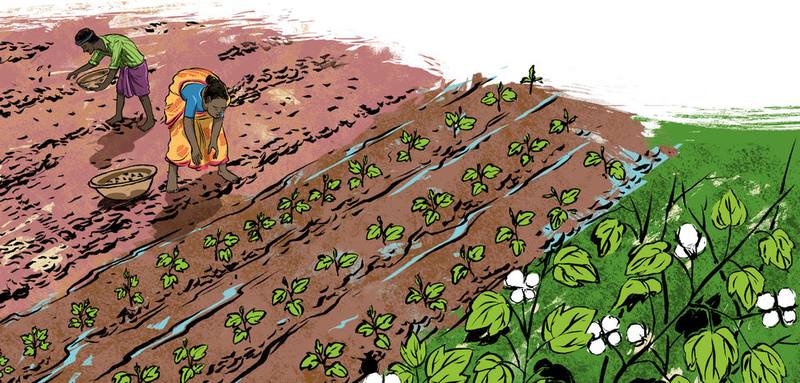
The seeds are sown and watered.
The monsoon comes and goes.
It’s harvest time!
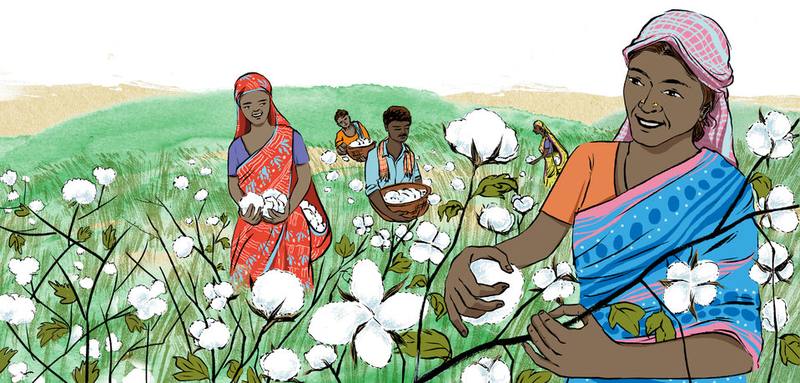
The farmers get a good crop of cotton this year.
They celebrate with their friends.
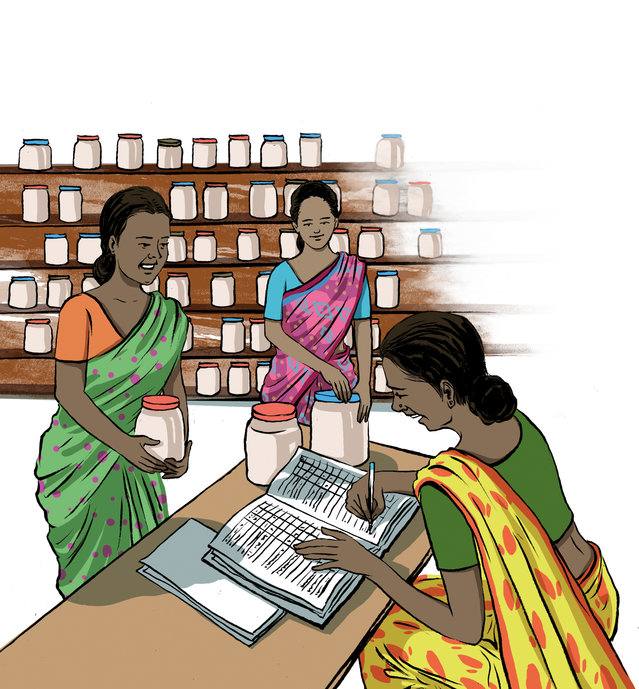
Sumati gains more cotton seeds from the harvest.
She repays her seed loan with interest, by depositing one-and-a-half kilos of cotton seeds into the bank.
Ketaki carefully notes this down in the register.
Nabita carefully stores the
seeds in the pot.
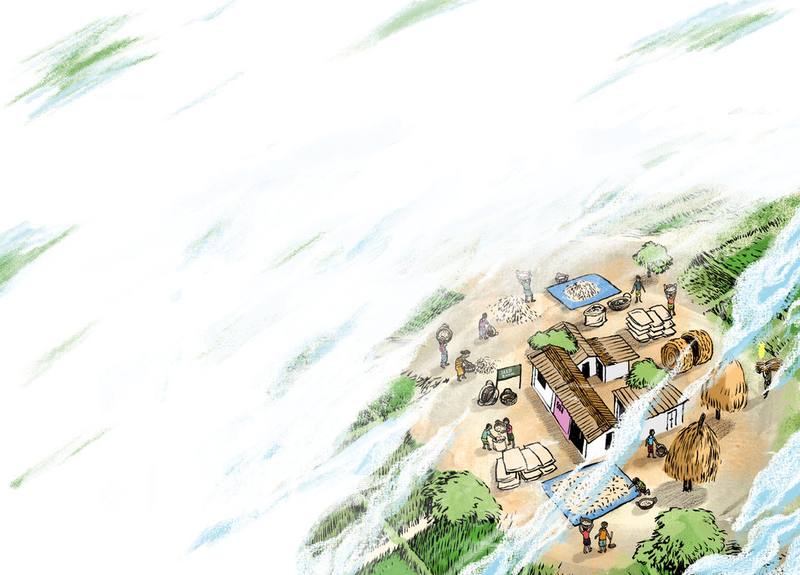
The seed bank now has lots and lots of seeds.
Seeds for the next year.
Seeds for the year after that.
And the year after that!
The cotton farmers no longer have a BIG problem .
Because their seed bank is VERY BIG!
The seeds are everywhere,
in the bank and in the field!

The Seed Bankers
We need seeds to grow food and fibre for clothes. But seeds can cost a lot. Some seeds, called hybrid seeds, cannot be replanted after the harvest and have to be thrown away. Some seeds need chemicals to grow. These are genetically modified seeds. Then there are seeds that may be from another part of the world and not suited to the soil of your region.
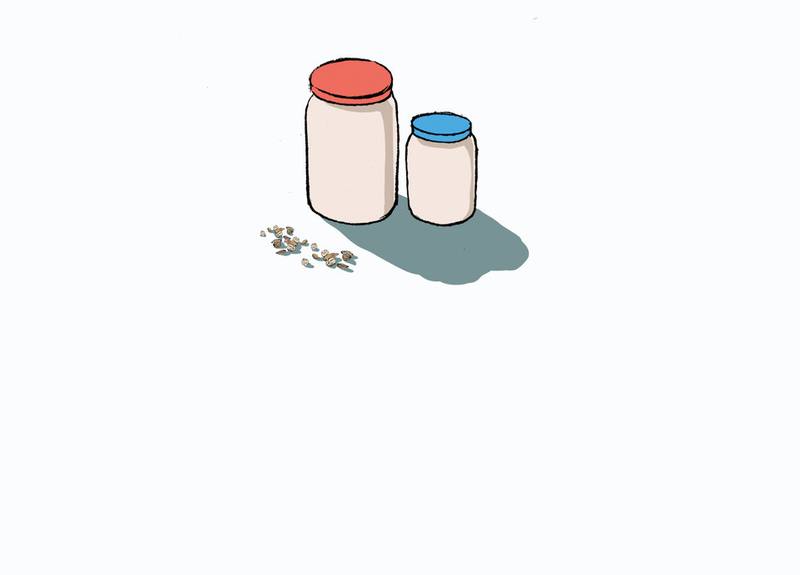
By saving local and organic seeds that do not need chemicals to grow, farmers don’t need to buy seeds from the market. Just like a regular bank, they can deposit seeds. They can borrow them, and repay the loan with extra seeds!
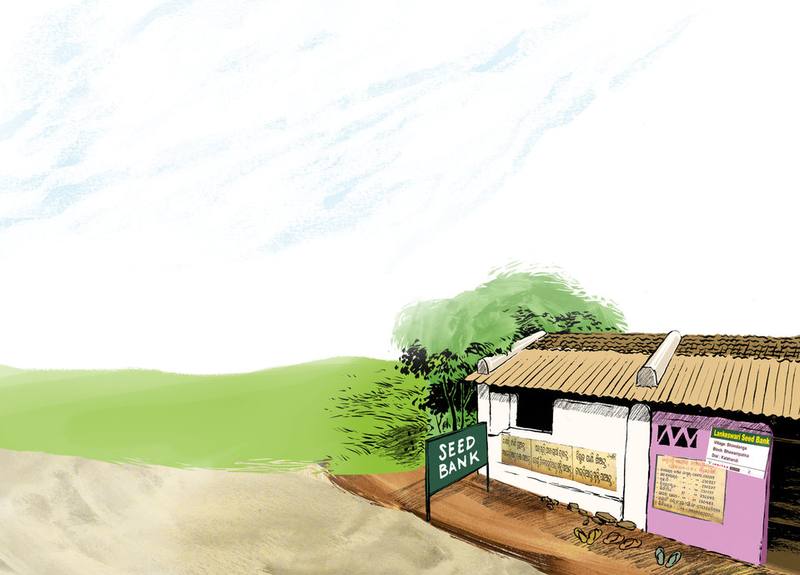
This story has been inspired by Maa Lankeshwari Seed Bank in Bhimdanga village in Odisha in India.
A group called Chetna Organic helped farmers start a seed bank to save their cotton and other seeds.
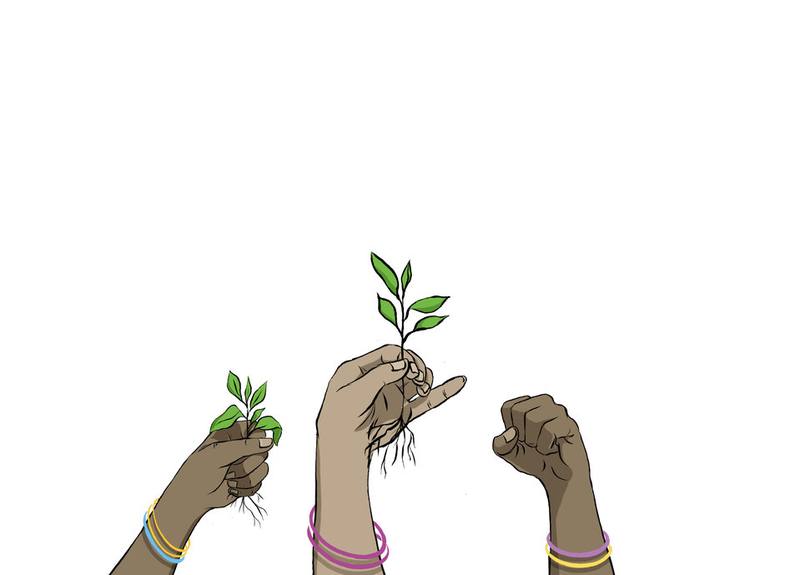
Many farmers in India and around the world have come together to form seed banks to save seeds. Often, women run seed banks. They are called Seed Bankers or Seed Guardians , because they protect seeds.
There is also a bank for the world’s seeds in the cold and remote Arctic region. It’s called the Svalbard Global Seed Vault . Here, you can find over 8,30,000 kinds of seeds from all over the world.